Hello, I’m Kirsty
Personal Trainer & Mindset Coach.
With a drive to help others navigate a complex relationship with food.
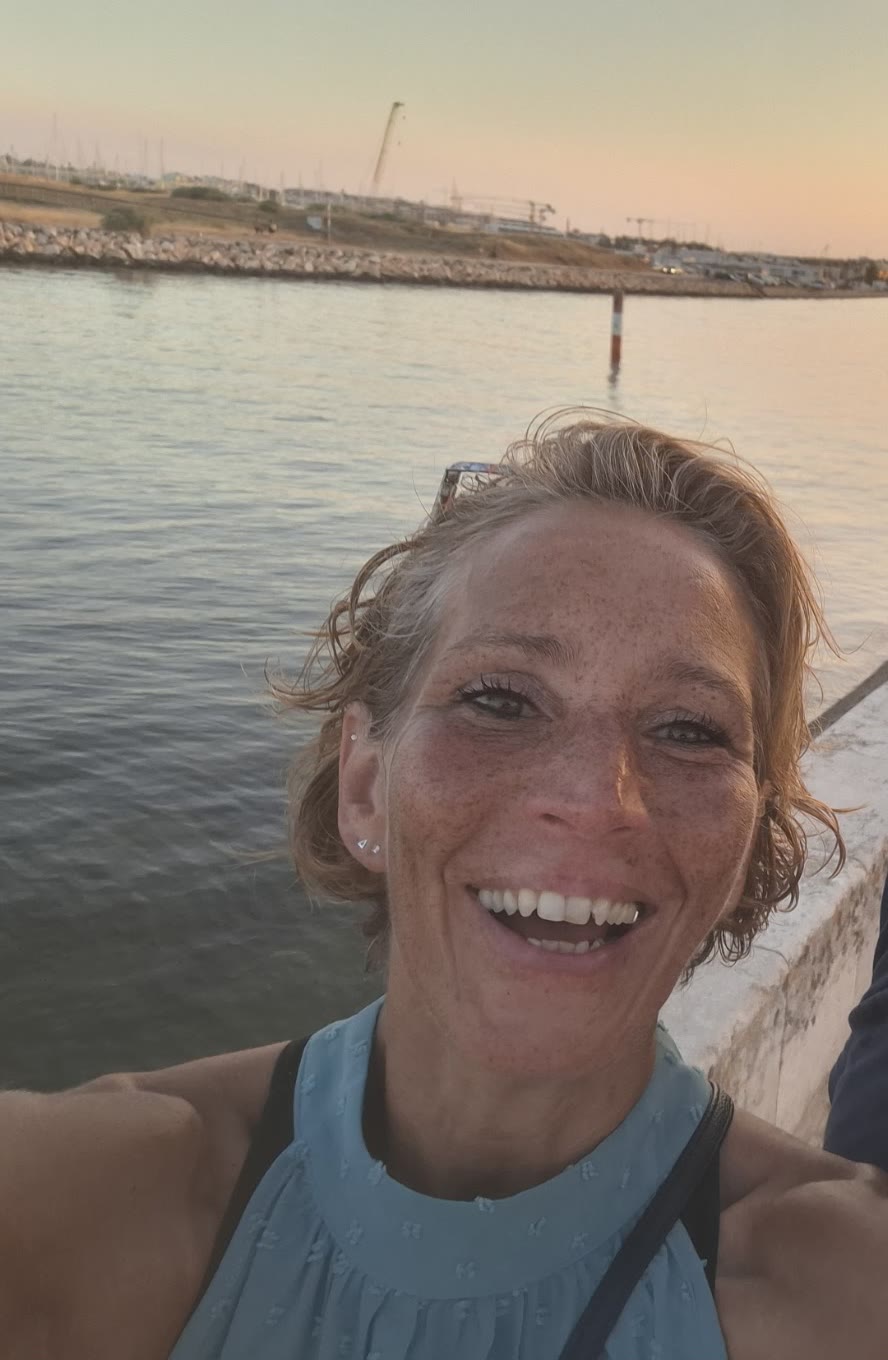
I know what it’s like when food starts taking up far too much space in your head.
In my 20s, my relationship with food became complicated. What started as a difficult relationship gradually became a cycle of overeating, restriction, over-exercising and trying to be “perfect” – while constantly thinking about what I should or shouldn’t eat.
Food became something to control, earn and balance out. And the mental noise was exhausting.
At 28, a friend helped me realise just how much my world had shrunk. I wanted my life back. I wanted to enjoy meals out, socialise, exercise because I enjoyed it and, most of all, stop constantly negotiating with rules and the bully in my mind.
With the help of an incredible therapist and a lot of deeper work, I began to understand that my behaviour wasn’t random.
There were patterns underneath it. Emotions, beliefs and experiences that had shaped the way I responded to food and exercise – often without me even consciously realising it.
I started to understand how the subconscious mind can create patterns that once served a purpose, but can eventually leave us stuck in behaviours that no longer serve us.
Rather than judging what I was doing, I learned how to become curious about it, and how to question myself, the pattern or subconscious response, and resolve the issues.
- What emotion was driving the behaviour?
- What was really going on underneath the food or exercise?
- What was I trying to manage, avoid or cope with?
- What patterns had I learned and continued to repeat?
The more I understood the connection between what I was feeling, what I was thinking and how I was behaving, the more I could begin to interrupt those old patterns and make different choices.
Slowly, things changed.
I learned that restriction can give food even more power. I stopped seeing foods as simply “good” or “bad” and began rebuilding trust in myself. And more importantly, I began to recognise which emotions were triggering which behaviours.
Food stopped being such a battleground. Exercise became something I genuinely enjoyed. I found more flexibility, balance and – perhaps most importantly – more mental space for the rest of my life.
There’s another important part of my story
I’m neurodivergent – AuDHD – and this has given me an even deeper understanding of how individual our relationship with food can be.
For some of us, food isn’t simply about hunger or nutrition.
Texture matters. Predictability matters. Familiarity matters.
Sometimes familiar foods and textures can feel safe and regulating, particularly when our nervous system is overwhelmed. Sometimes our brains crave certain foods simply for the dopamine hit – and I understand that personally.
But our bodies also need nourishment and variety.
So sometimes we have to navigate the space between what feels safe and regulating right now and what our bodies benefit from over time.
I don’t believe in simply forcing yourself to eat foods that feel intolerable, or depriving ourselves of the foods that help us feel regulated.
I believe in finding a way to navigate that balance – practically, compassionately and without shame.
This is where I come in
I work with people who feel that their relationship with food has become frustrating, confusing, restrictive or simply harder than it needs to be.
- check_circleMaybe food is constantly on your mind.
- check_circleMaybe you’re caught in an on/off cycle of restriction and overeating.
- check_circleMaybe you’re using food or exercise to manage emotions.
- check_circleMaybe conflicting advice has left you completely confused about what you “should” be eating.
- check_circleMaybe you’re neurodivergent and food comes with an added layer of sensory, routine or nervous-system considerations.
- check_circleOr maybe you’re simply fed up with food taking up so much mental space.
You don’t have to have an eating disorder for your relationship with food to be affecting your life.
I’m not an eating-disorder coach, and I don’t provide specialist eating-disorder treatment. My role is to help you understand the patterns, emotions, habits and individual needs that can make food feel complicated – and help you find a way forward that works for your brain, your body and your life.
Because food doesn’t need to be something you spend your life trying to get “right”.
More ease. Less noise. More life.
Ready to Feel Different Around Food?
If you’re tired of the constant thoughts and feeling like food is taking up too much space in your life – there is another way.
You can eat, train, socialise, and live without guilt, rules, or constant noise.
If that’s what you’re ready for, I’d love to support you.
Get StartedDisclaimer
This is not a replacement for clinical treatment. I am not a qualified eating disorder specialist. If you are struggling with a diagnosed or severe eating disorder, please seek support from a qualified medical professional or specialist service.